
Head of School
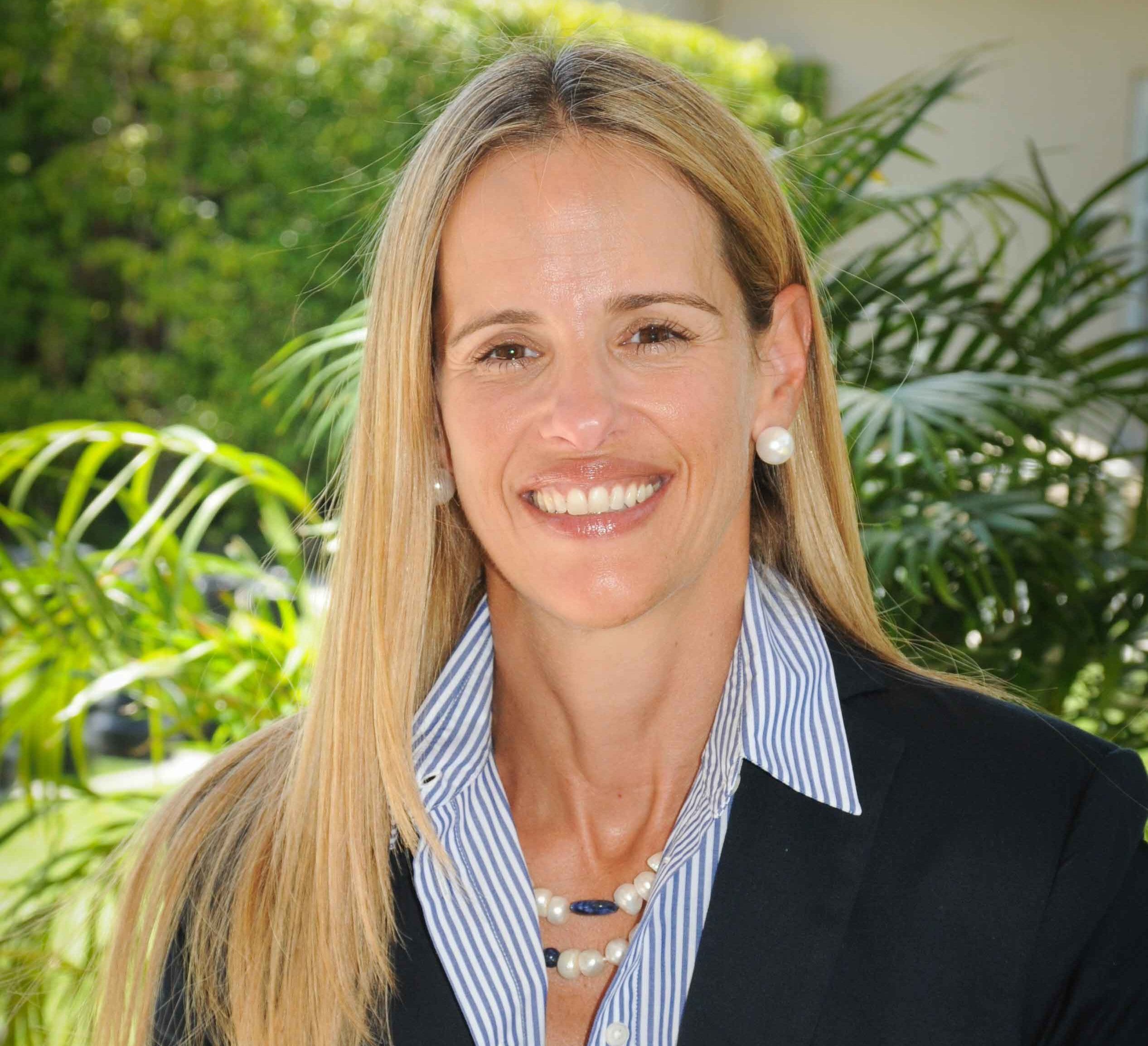
Dr. Jennifer C. Roig, Ed.D
Co-Head of School and Literacy Architect, The Roig Academy
Literacy Architect for Implementation and Research
Certified Structured Literacy Dyslexia Specialist
Structured Literacy, grounded in the science of reading, and inquiry-based IB PYP education are not often found in the same school. For the past 26 years, I have helped build The Roig Academy, a K through 8 IB World School, where both are central to how we teach and learn.
The Roig Academy serves students with language-based learning disabilities, such as dyslexia. As cofounder, co-head of school, and literacy coach, I have been closely involved in shaping the instructional model, supporting teachers, and creating the systems that make strong literacy practices part of everyday school life. Under this model, our K through 8 program has earned IB World School designation and Cognia Accreditation with Merit.

I began my career in Miami-Dade County Public Schools, first as a special education teacher and later as a Region Placement Specialist, where I worked with school teams and families on special education eligibility, placement, and IEP development. Across more than 35 years in education, that work has kept me grounded in the realities of classrooms, schools, and the families they serve.
Today, much of my work focuses on professional learning and instructional coaching. I work alongside teachers to help them understand research, apply it thoughtfully, and build sustainable practices. That interest also shaped my doctoral work at the University of Florida, where I earned my Ed.D. with a focus on dyslexia and professional learning.
I also serve as a part-time lecturer at the University of Miami and consult with independent schools that are developing or strengthening special education and literacy support programs.
My work has also included nonprofit governance. From 2018 through 2026, I served two terms on the Board of the Early Learning Coalition of Miami-Dade and Monroe. As a member of its Provider Services Committee, I participated in decisions involving program quality, provider accountability, regulatory compliance, violations, and sanctions.
I bring this work into national and international conversations through presentations on Structured Literacy, professional learning, instructional coaching, and transformational practice. My recent and upcoming presentations include the Society for the Scientific Study of Reading, the Council for Exceptional Children, the International Dyslexia Association Annual Reading, Literacy, and Learning Conference; the Cognia Southeast IMPACT Conference; and the 2027 World Literacy Summit at the University of Oxford, where I will present Leading from Within: A Model of Sustained Literacy Reform in a School for Students with Dyslexia.
What continues to drive my work is a simple question: How do we take what research tells us about effective literacy instruction and create the conditions for it to truly take hold in schools?
Parent Voices
Once students understand they can, brilliant things happen.
“Jenni was crystal clear with her plan on getting our daughter to achieve her goals and most importantly, gain valuable confidence she was lacking.” -D.M., Parent, 2019
“When we came to Roig with our son at age 6, he could barely read or do simple math equations. We credit Jenni Roig for seeing the potential in him and for taking the time to nurture that potential. She is extremely knowledgeable about dyslexia and other learning differences and the latest research.” -K.P., Parent, 2018
“Her expertise in understanding the functions of the brain, the impact of different styles of cognitive architecture on the learning process, and ability to pair the appropriate remedial strategies with specific needs of each individual child, grows every year.” -Florida Licensed School Psychologist
“Jennifer is cognisant of dual diagnosis and comorbidity as it pertains to learning differences and attention issues.” – Associate Professor, Associate Clinical Director, Child Division, Department of Psychology
“Jennifer is thorough in her approach with students and incorporates evidence-based approaches to her curriculum, such as the Orton-Gillingham approach to reading.” – Director, Training Program, Clinical Supervisor, Licensed Psychologist
“Jennifer is cognisant of dual diagnosis and comorbidity as it pertains to learning differences and attention issues.” – Associate Professor, Associate Clinical Director, Child Division, Department of Psychology
“Jenni and Gus are more than true professionals; as human beings, they act with integrity and they are worthy of esteem, friendship, and love.” – Parent